
Just Showing Up With a Camera
The Ethics of Photographing a Horse Show Without Permission
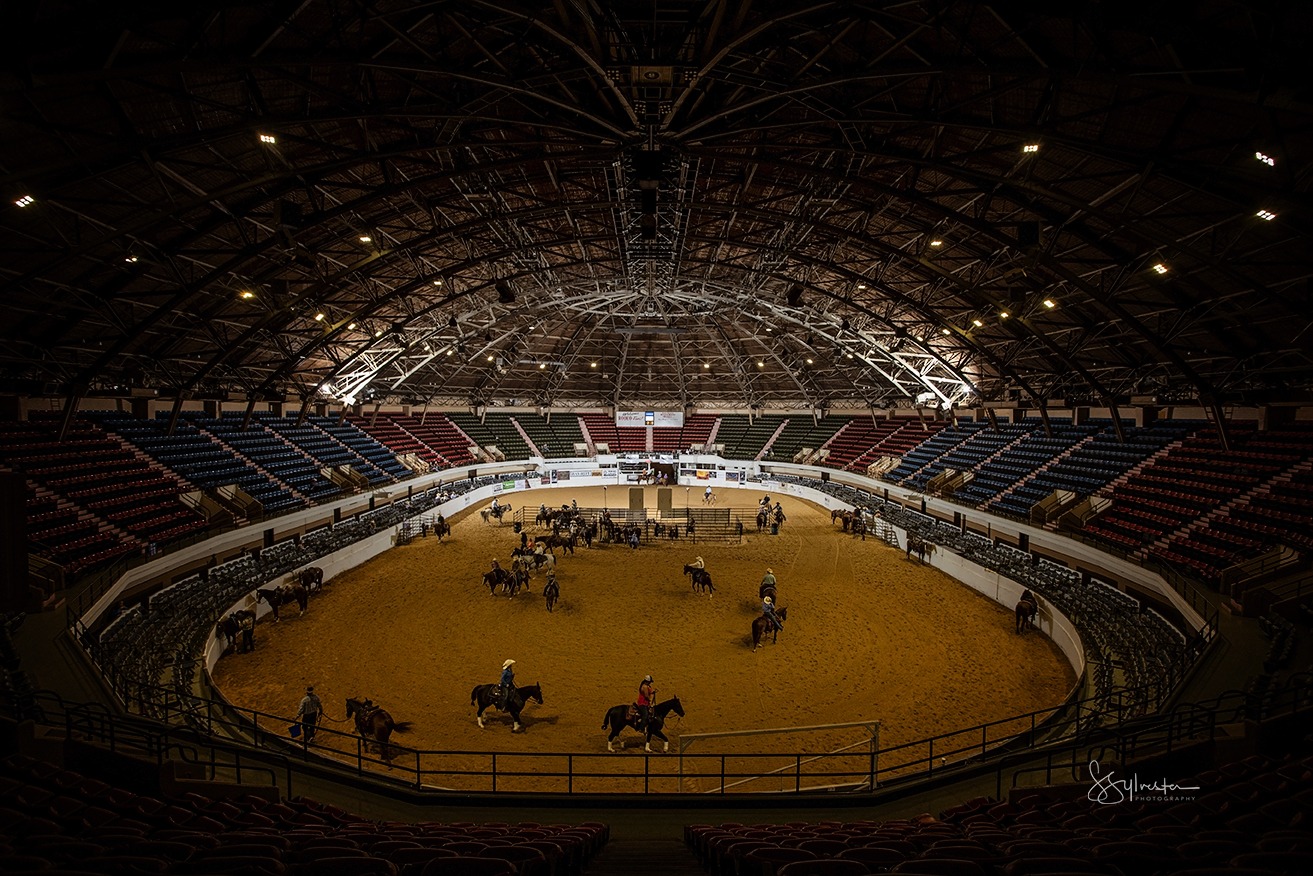
Horse shows are busy places.
Trucks rolling in before sunrise. Horses being fed and washed while stalls are being cleaned. Trainers checking class schedules while exhibitors circle the warm-up pen.
Volunteers hang the last sponsor banners while the announcer tests the microphone.
And somewhere along the rail, there’s often someone with a camera.
Sometimes they’re a spectator capturing memories. Sometimes they’re a competitor photographing friends.
But sometimes they’re something else entirely:
a photographer who has decided to show up and photograph the event without being hired or granted permission.
In recent years, this has become a surprisingly common topic of conversation among photographers, show managers, and exhibitors. And while the situation can feel awkward to address, it raises important questions about professionalism, ethics, and how the industry functions.
Because horse shows — like most organized events — typically hire an official photographer.
Understanding why that role exists is the first step to understanding why simply showing up to shoot the event can create problems for everyone involved.
Why Horse Shows Hire Official Photographers
Most horse shows don’t hire photographers simply because they want pictures taken.
They hire photographers because they want a reliable, professional service provided to exhibitors, sponsors, and the show organization itself.
The official photographer typically:
- Covers the classes or divisions requested by the show
• Provides images to exhibitors for purchase
• Supplies photos for the show’s marketing and social media
• Delivers images to sponsors and advertisers
• Maintains a booth or ordering system for competitors
• Carries business insurance
• Follows safety protocols around livestock and riders
In many cases, the photographer has also paid a vendor fee or entered into a formal agreement with show management.
In other words, the official photographer isn’t just someone taking pictures.
They are a contracted vendor providing a service the show depends on.
Where Problems Begin
Most photographers who show up to events without permission don’t do so with bad intentions.
Many are simply building their portfolio. Others are hobbyists who enjoy photographing horses. Some may even believe that because the show is being held in a public venue, they have every right to photograph whatever they wish.
And from a purely legal standpoint, in some situations that assumption can seem reasonable.
However, legality and professionalism are not always the same thing.
It’s also important to understand how horse shows actually operate.
In many cases, the show producer or association rents the facility where the event is being held. Even if the venue itself is a public fairgrounds or equestrian park, the event organizers typically control the use of that facility during the show. That includes vendor agreements, media access, and who is authorized to provide commercial services at the event.
Because of this, producers often have the authority to decide who may photograph the event commercially and who may not.
This is the same reason that tack vendors, food vendors, and other commercial providers must obtain permission from show management before setting up.
Problems arise when photographers who were not hired by the event begin to:
- Market themselves as photographing the show
• Sell images to exhibitors
• Compete with the official photographer’s sales
• Position themselves ringside in ways that interfere with the contracted photographer’s work
At that point, the issue stops being about photography and becomes a question of professional ethics and respect for the event’s structure.
“Professionalism in this industry doesn’t begin with a camera.
It begins with respect.”
The Reality Many Photographers Don’t See
When photographers discuss this topic online, the conversation often centers around fairness.
Questions like:
“Why should only one photographer be allowed?”
“Isn’t competition good?”
“What if the official photographer isn’t very good?”
But those conversations often miss a key reality:
Horse shows are not simply open creative environments.
They are organized events with contracts, vendors, liability concerns, and long-standing business relationships.
Even when an event is held at a public fairgrounds, the show producer typically rents the facility and controls the commercial activities taking place during the event.
The official photographer may have:
- Invested significant time traveling to the event
• Paid vendor fees or sponsorship costs
• Committed to covering the entire show schedule
• Built a long-term relationship with the show organization
From the show’s perspective, allowing additional photographers to arrive uninvited and begin selling images can undermine the agreement they already have in place.
It would be similar to another vendor setting up a tack booth next to a paid vendor without permission.
Safety and Logistics Matter
Horse shows are also environments where safety matters — for both horses and people.
Professional event photographers learn how to work in these spaces responsibly.
They understand:
- where it is safe to stand
• when not to move
• how to avoid distracting horses
• how to position themselves without interfering with judges, announcers, or ring stewards
When multiple uncoordinated photographers begin working the rail, it can create unnecessary risk and confusion.
That’s another reason shows typically designate one official photographer or coordinate media access through show management.
The Difference Between Spectators and Vendors
Of course, spectators and competitors take photos at horse shows all the time.
That’s part of the fun.
Parents photograph their kids. Riders capture snapshots of friends. Trainers take a quick phone photo after a great run.
No one is suggesting that cameras should be banned from the stands.
The ethical line usually appears when someone begins operating as a commercial photographer at the event without the show’s knowledge or permission.
That means:
- advertising coverage of the show
• selling images taken during the event
• representing themselves as photographing the event professionally
At that point, the situation moves from casual photography into the territory of providing a commercial service inside someone else’s event.
And that is where professionalism matters.
A Better Way to Enter the Industry
For photographers who genuinely want to photograph horse shows, there are far better paths than simply showing up and hoping for the best.
Professional event photographers almost always began in one of these ways:
Assist an established photographer
Many official photographers hire assistants or second shooters during busy events. This is one of the best ways to learn both the photography and the workflow involved.
Ask permission from show management
Some smaller shows may not yet have an official photographer and may welcome someone willing to cover the event professionally.
Build relationships with trainers and barns
Private client photography at shows can be a legitimate path when handled respectfully and with transparency.
Start with smaller or schooling shows
Local schooling shows often have fewer restrictions and can provide valuable experience while photographers develop their skills.
In each of these cases, the key ingredient is the same:
communication.
Why This Conversation Matters
The equine photography world is relatively small.
Reputations travel quickly, and relationships often determine who receives opportunities in the future.
Photographers who demonstrate professionalism, respect for event structure, and a willingness to collaborate with organizers tend to build lasting careers.
Those who approach the industry as if every event is simply an open shooting opportunity often discover that doors close faster than they open.
The goal of this conversation isn’t to discourage new photographers.
Quite the opposite.
Horse shows need talented photographers who care about the industry and the people in it.
But like any profession, there are standards that help the entire ecosystem function smoothly.
“The equine photography world is smaller than many people realize.
Reputation travels quickly.”
Professionalism Benefits Everyone
When photographers respect event agreements and communicate with show management, everyone benefits.
Exhibitors receive reliable service.
Show managers know their vendors are working cooperatively.
Sponsors receive the images they were promised.
And photographers build the professional reputation that leads to future opportunities.
A Simple Question to Ask Yourself
Before photographing an event with the intention of selling images, it’s worth asking a simple question:
“Has the show asked me to be here as a photographer?”
If the answer is no, the next step isn’t to start shooting anyway.
The next step is to start a conversation.
Because professionalism in this industry doesn’t begin with a camera.
It begins with respect.
This topic is explored further in a recent Field Notes episode on The Equine Photographers Podcast, along with additional insight into the discipline and responsibility behind official show photography.
The Horse in Focus exists to elevate the conversation around equine photography — not just the creative side, but the professional standards that shape the future of the industry.
Continue the Conversation
THIF explores the professional, ethical, and business realities shaping equine photography today.
© The Horse In Focus
Trackbacks/Pingbacks